PEGAFFI · Education Guides · Design Your Ring
The 4Cs of Lab Grown Diamonds, Explained
2026-09-08 · 7 min read
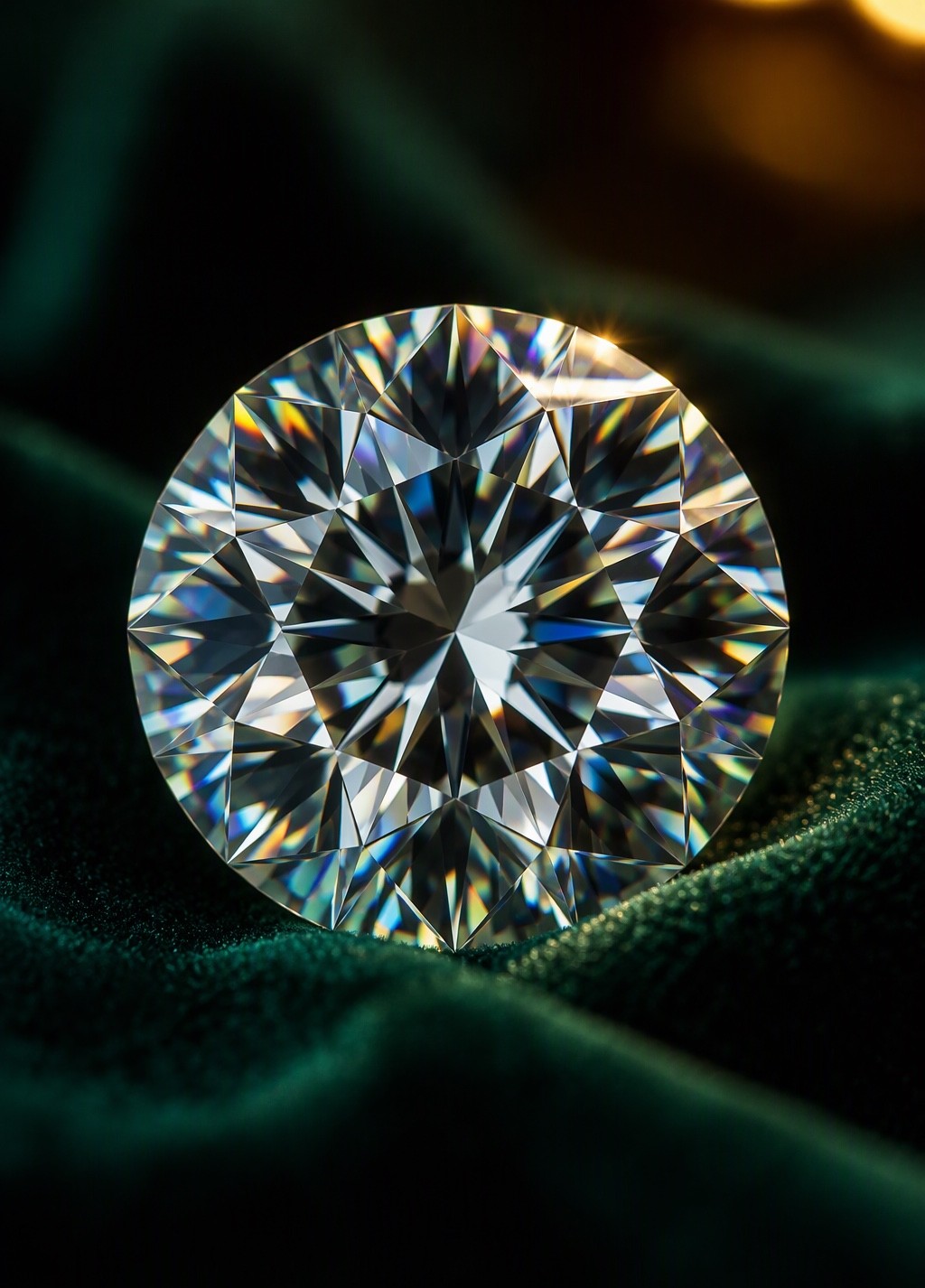
The 4Cs — cut, color, clarity and carat — are the universal grading language created by GIA and applied to every certified diamond, mined or lab grown. Understanding them turns an intimidating purchase into a series of simple, confident decisions. Here is what each C actually does for the stone on your hand, and where your money works hardest.
Cut — the one C you should never compromise
Cut is not the shape (oval, round, pear…) but the quality of the faceting: proportions, symmetry and polish. It alone determines how much light the stone returns to your eye. A poorly cut 2-carat diamond looks dull and smaller; an excellently cut 1.5-carat out-sparkles it every time. Grades run from Poor to Excellent/Ideal. Our advice is simple: stay at Very Good or above, and prefer Excellent for round brilliants.
Color — whiter is rarer, not always better for you
| Grade | Appearance | Our take |
|---|---|---|
| D – F (Colorless) | Icy white, no warmth detectable | The premium tier; D–E is for the perfectionist |
| G – J (Near colorless) | Looks white face-up, especially in yellow or rose gold | The value sweet spot — most of our clients choose F–H |
| K – M (Faint) | Slight warmth visible | Beautiful in vintage-style yellow gold settings |
Color is graded face-down against master stones; mounted and face-up, an F and an H are remarkably hard to tell apart. Because lab grown pricing compresses the premium between grades, moving up one or two color grades costs far less than it would in a mined stone.
Clarity — buy "eye-clean", not flawless on paper
| Grade | What it means | Visible to the eye? |
|---|---|---|
| FL – VVS2 | Minute inclusions even under 10× magnification | No |
| VS1 – VS2 | Minor inclusions under magnification | No — eye-clean, our most popular range |
| SI1 – SI2 | Inclusions visible under 10×, occasionally without | Usually no in SI1; inspect SI2 carefully |
Nobody wears a microscope. What matters is whether the stone is eye-clean — no inclusions visible to the naked eye at normal viewing distance. VS2 and better is virtually always eye-clean; a well-chosen SI1 often is too. Paying for Flawless buys you a line on a report, not visible beauty.
Carat — weight, not size (but size is what you see)
Carat measures weight (1ct = 0.2g), but what you perceive is face-up spread. Fancy shapes like oval, pear and emerald look noticeably larger per carat than rounds. And note the pricing cliff: stones just under round numbers (0.9ct, 1.9ct) trade well below stones just over. In lab grown, the jump from 1ct to 2ct is no longer a mortgage decision — it is typically a few hundred dollars.
How to read an IGI report
- Check "Laboratory Grown" is printed at the top — full disclosure, always.
- Match the laser inscription number on the girdle to the report number.
- Read the four Cs, then the finish grades: polish and symmetry (aim for Excellent/Very Good).
- For rounds, look at the proportions table — table % and depth % drive the cut grade.
- Fluorescence: None to Faint is ideal for colorless stones.
Where to spend, in order
- 1. Cut — maximum sparkle per dollar.
- 2. Carat — the size statement you actually see.
- 3. Color — F–H is indistinguishable from D in daily wear.
- 4. Clarity — stop at eye-clean (VS/SI1), never pay for invisible perfection.
Every PEGAFFI stone ships with its full IGI report and we walk you through it line by line before you commit — because an informed customer is the only kind we want.